
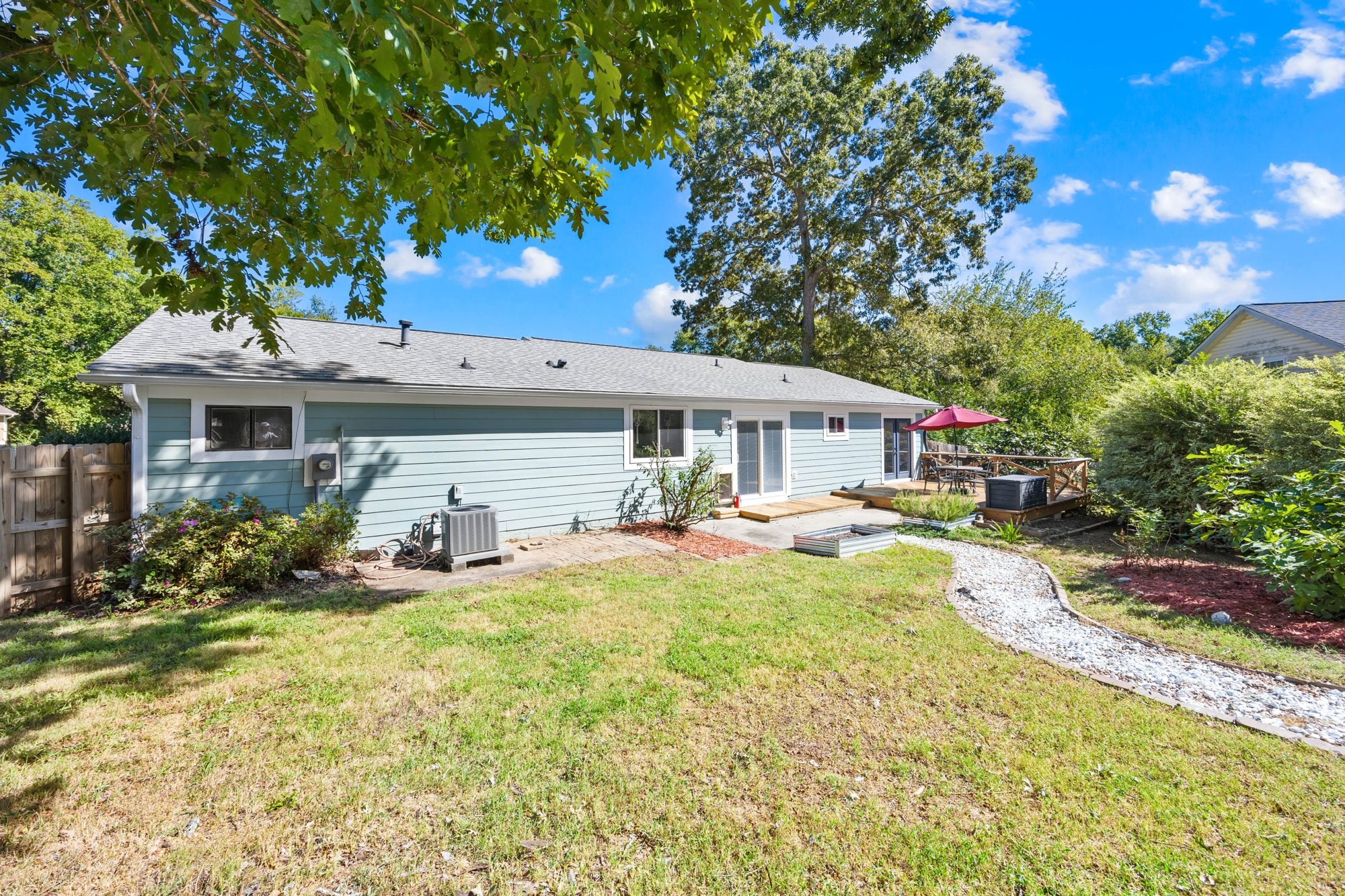
An ADU, or accessory dwelling unit, is a small second home on the same lot as your main house — a converted garage, a basement apartment, or a standalone cottage in the backyard. In Charlotte, ADUs are allowed on most lots zoned N1 and N2, capped at 1,000 heated square feet, and limited to one per lot. Here’s what the rules actually cover before you plan one.
What counts as an ADU
An ADU is a self-contained living space with its own kitchen and bathroom. It can be attached to your house — a converted basement or garage — or detached, like a small building in the backyard. It’s not a guest room or a man cave. If it has a kitchen and a bathroom and someone could live in it independently, the city treats it as an ADU and it needs a permit.
Charlotte allows one ADU per lot, whether you live in the main house yourself or own the property and rent it out. You don’t have to live on-site to build one, but the property has to stay under single ownership — you can’t sell the ADU off separately from the main house.
Size limits
The city caps a detached ADU at 600 heated square feet or 70% of your main house’s floor area, whichever is larger — with an absolute ceiling of 1,000 heated square feet. So a 1,200-square-foot house could support an 840-square-foot ADU, and anything over about 1,430 square feet maxes out at the full 1,000. Charlotte’s current zoning code only spells out standards for detached ADUs, so if you’re thinking about an attached unit like a basement or garage conversion, check with the city before you plan around these numbers.
Where it can sit on the lot
Setbacks are where a lot of ADU plans get revised. A detached ADU generally needs:
- 3 feet from the rear property line if it’s under 24 feet tall, 15 feet if it’s taller
- 3 feet from the side property line if it’s under 24 feet tall, 5 feet if it’s taller
- A minimum separation from the main house (check the current UDO for the exact distance)
- It generally can’t sit inside the front setback along the street, or in a corner-lot side setback
Height follows your zoning district’s limit, but going 24 feet or taller triggers the bigger setbacks above — which is one reason most backyard ADUs stay under that line.
Where it’s allowed — and where it isn’t
ADUs are allowed on most neighborhood lots zoned Neighborhood 1 (N1) and Neighborhood 2 (N2). Commercial, mixed-use, and conditional zoning districts need a closer look before you assume an ADU is allowed. HOA rules and private covenants can also restrict ADUs, and the city doesn’t enforce those for you. If you’re not sure what your lot is zoned, that’s a five-minute check with the city before you spend money on plans — rules and zoning maps do get updated, so verify your specific address rather than going by a neighbor’s.
Parking and the practical stuff
The city’s ADU guidance doesn’t list a separate parking requirement. The bigger practical limit is the driveway: an ADU generally can’t have its own driveway separate from the main house, with limited exceptions, so most will share the existing one.
Why Charlotte buyers and sellers should care
For sellers, an ADU isn’t automatically a value-add — it depends on buyer demand in your specific neighborhood and how well it’s built and permitted. An unpermitted conversion — a basement or garage turned into living space without pulling permits — can actually complicate a sale, since it has to be disclosed and may not appraise the way the owner hopes. For buyers, an ADU is one way to offset a mortgage payment with rental income, or to cover a down payment by co-buying with a friend or family member and giving everyone their own space.
It’s also worth knowing Charlotte already opened the door to more housing density on standard lots once before. The 2023 zoning change that legalized more duplexes and triplexes was a separate ordinance from the ADU rules, but both point the same direction — more flexibility to add living space on an existing lot without buying more land. And if you’re weighing an ADU as a long-term investment rather than a quick project, it’s worth understanding how home equity actually builds in Charlotte first, since a bigger structure means more into the property, not automatically more out of it at resale.
Charlotte also ran an ADU incentive program, the Queen City ADU Program, which offered up to $80,000 (or 50% of project costs, whichever was less) in forgivable financing to owners who agreed to rent to tenants at or below 80% of area median income. That program stopped taking applications on October 31, 2025, so don’t plan an ADU around it. If the city opens a new round, it will be announced on its ADU page.
Thinking about adding an ADU, or buying a property that already has one? Grab the Ultimate Buyer Guide for the questions to ask before you commit.
FAQ
Can I build an ADU anywhere in Charlotte?
ADUs are allowed on most lots zoned Neighborhood 1 (N1) and Neighborhood 2 (N2), one per lot. Commercial, mixed-use, and conditional districts need a closer look. Check your specific lot’s zoning, and any HOA rules, before you plan one.
How big can a Charlotte ADU be?
A detached ADU is capped at 600 heated square feet or 70% of your main house’s size, whichever is larger, with an absolute limit of 1,000 heated square feet. One ADU per lot.
Do I need extra parking for an ADU?
The city’s ADU guidance doesn’t list a separate parking requirement. In most cases, though, an ADU can’t have its own driveway separate from the main house, so it will share the existing one.
Do I have to live on the property to build an ADU?
No. Owner-occupancy isn’t required. The property does have to stay under single ownership — you can’t sell the ADU separately from the main house.
Does an ADU add value when I sell?
It can, but it depends on the neighborhood, how it’s built, and whether it’s properly permitted. An unpermitted conversion can create problems at closing rather than add value, so permits matter.
Maureen Mahood, Broker-Owner, Sell Your Home Charlotte | Licensed in NC & SC | 704-621-3066 | Equal Housing Opportunity